
Why Renting Inspection Tools Is a Smart Choice
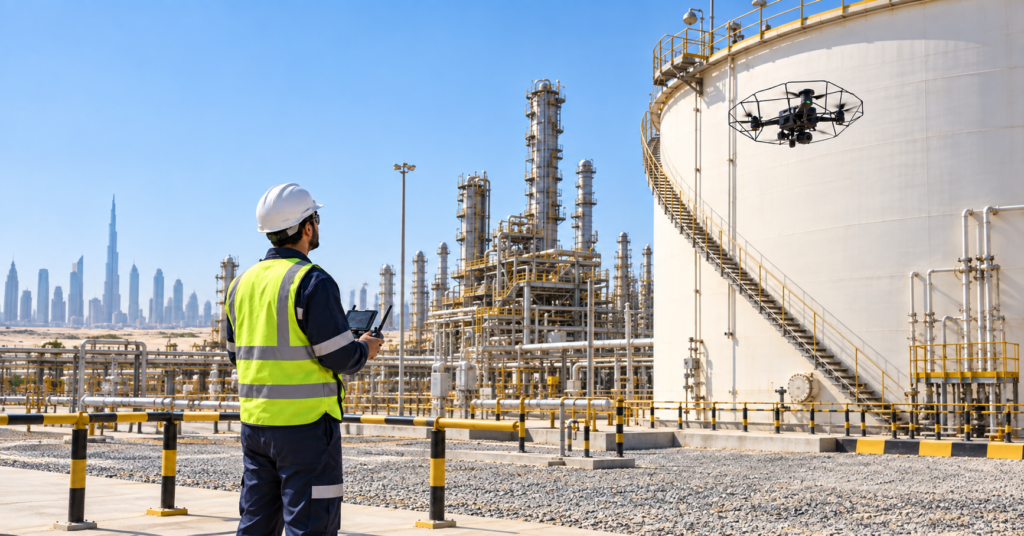
Renting advanced inspection tools has become a smart and strategic choice for companies aiming to maintain high-quality standards without heavy capital investment. Instead of purchasing expensive equipment that may only be used occasionally, businesses can access the latest technology when needed.
This approach allows companies to stay flexible and adapt to different project requirements. Whether it’s a short-term project or a specialized inspection task, renting provides access to the right tools at the right time.
Another major advantage is avoiding maintenance and storage costs. Rental providers typically handle servicing, calibration, and upgrades, ensuring that equipment is always ready for use.
Additionally, renting enables businesses to test new technologies before making long-term investments.
Overall, it is a cost-effective and efficient solution for maintaining accurate quality control.
Types of Advanced Inspection Equipment Available for Rent
A wide range of advanced inspection tools is available for rent, covering various industries and applications. One common category is non-destructive testing (NDT) equipment, which allows inspection without damaging the material.
Ultrasonic testing devices are widely used to detect internal flaws and measure thickness. Radiographic testing equipment helps identify hidden defects using imaging technology.
Visual inspection tools, including high-resolution cameras and borescopes, allow detailed examination of hard-to-reach areas.
Measurement tools such as laser scanners and 3D measurement systems provide precise dimensional analysis.
Environmental testing equipment is also available to assess conditions such as temperature, humidity, and pressure.
These tools help ensure accurate and reliable inspection results across different applications.
Improving Accuracy with Modern Inspection Tools
Modern inspection tools are designed to deliver high levels of accuracy and reliability. Advanced sensors and imaging technologies enable precise detection of defects and inconsistencies.
Digital systems allow real-time data collection and analysis, reducing the risk of human error. This improves decision-making and enhances overall quality control.
Automation features also play a key role in improving accuracy. Automated inspections reduce variability and ensure consistent results.
Additionally, modern tools provide detailed reports and visual data, making it easier to identify issues and take corrective actions.
By using advanced inspection equipment, companies can achieve higher accuracy and maintain strict quality standards.
Industries That Benefit from Equipment Rental
Key Factors to Consider Before Renting

Before renting inspection equipment, companies should evaluate several important factors. One key consideration is the type of equipment required for specific inspection tasks. Another factor is the reliability and reputation of the rental provider. Working with trusted providers ensures access to high-quality, well-maintained equipment. Calibration and certification are also critical to ensure accurate results. Companies should also consider technical support and training provided by the rental company. Finally, rental terms and pricing should be carefully reviewed to ensure cost-effectiveness.
Cost Efficiency and Operational Flexibility
Renting inspection tools offers significant cost savings compared to purchasing equipment. Companies can avoid large upfront investments and only pay for what they use.
This model also provides operational flexibility, allowing businesses to scale their equipment needs based on project requirements.
Maintenance and repair costs are typically included in rental agreements, reducing financial risk.
Additionally, renting allows companies to access the latest technology without committing to long-term ownership.
This combination of cost efficiency and flexibility makes equipment rental an attractive option for many businesses.
The future of inspection equipment rental is driven by technological advancements and changing industry needs. Digital platforms are making it easier to access and manage rental equipment.
Artificial intelligence is being integrated into inspection tools to improve accuracy and predictive capabilities.
Remote monitoring and IoT-enabled devices are enhancing real-time data collection and analysis.
Leave a Reply